DIFFERENT TYPES OF MICROPHONES
We always think what type of mircophone do we use for radio; djing; studio; boxing etc. By the end of the blog, you will know the different types of mircophones and why we use it.
The different types of mircophones we have are:
1.Condenser
The condenser microphone (invented by Bells Lab, formerly known as AT&T Bell Laboratories), is known as the capacitor or electrostatic microphone and capacitors were historically called condensers. Where the diaphragm acts as one plate of a capacitor and the vibrations change in the distance between the plates within the condenser. The two types are depending on the method, where the audio signal is transmitted from the transducer. An example that is mainly used is the DC-biased microphones and the radio frequency (RF) or the high frequency condenser microphones.
 |
| Condenser: This is used for radio |
 |
| Diagraphm Condenser (Picture from Microphone; Wikipedia) |
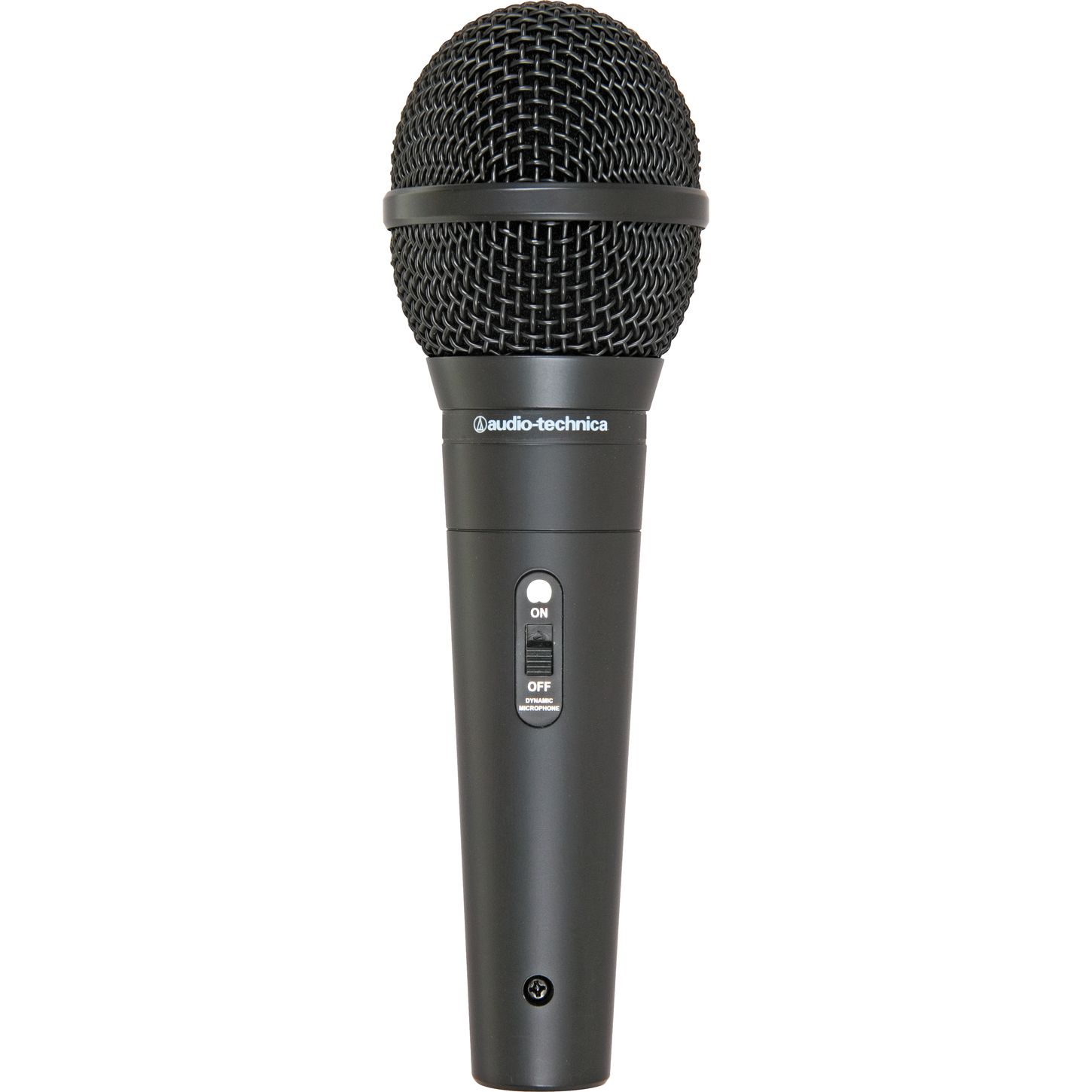 |
| Dynamic |
Dynamic microphone work via electromagnetic induction. These type of microphones are relatively inexpensive and very resistant to moisture, potentially high gain before feedback. Moving coil microphones use the same principle as a loudspeaker or similar, only reversed. A small movable induction coil, which is placed in the magentic field of the permament magnet (which connects to the diagraphm).
3. Ribbon
Ribbon microphones use a thin, usually metal ribboned suspended in a magnetic. The ribbon is electrically connected to the microphone's output and its vibrations within a magnetic field generates electrical signals. Ribbon microphones are similar to moving-coil microphones, in the sense that both produce sound (this means magnetic induction). Basic ribbon microphones in bi-directional.
 | ||
| Ribbon.. Used in shows that date. back to the late 60's |
4. Carbon
A carbon microphone (known as a carbon button microphone or sometimes button microphone), use a caspule or button containing carbon granules pressed between two metal plates like Berliner and Edison microphones. A voltage is applied across metal plates, as this causes a small current of carbon to flow.One of the plates (diagraphm) vibrates sympathy with incident sound waves, applying pressure of carbon.
 | |||||
| Carbon |
Crystal or Piezo microphone uses phenomenon of piezoelectricity.
- Ability of some materials to produce a voltage when subjected to pressure.
- To convert vibrations into an electrical signal.


No comments:
Post a Comment